
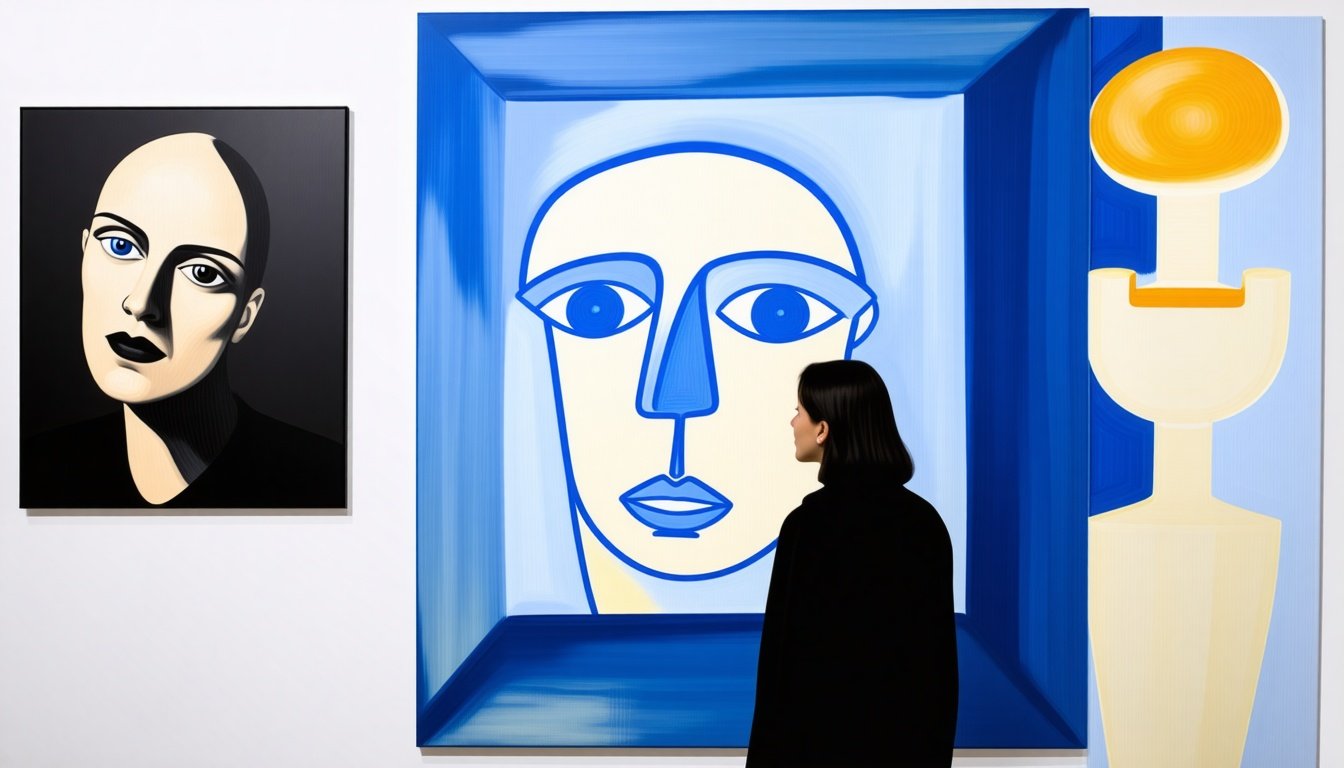
There is something about naïve art that catches me every time—like stepping into a room where everyone has just spoken their truth without worrying about manners, polish, or fancy vocabulary. It feels raw, it feels real, and honestly, it feels like a breath of honesty that most other art movements seem to tiptoe around. I have spent years wandering galleries, flipping through art books, and scrolling through endless digital collections, always looking for that spark that shakes me awake. And time after time, it is the naïve art that pulls me in like a magnet.
Naïve art is that charming style where artists paint or draw without any formal training but with all the heart in the world. It is the art of people who look at the world simply and boldly. No rules. No fancy techniques. Just unfiltered stories told in bright colors and simple shapes. It is like seeing the world through the eyes of a child, or someone who refuses to complicate the beauty around them. But what is it that makes this kind of art so deliciously honest and convincing? Why do I keep turning to it when I want to feel something real? Let me try to tell you.
When the World Feels Too Much, Naïve Art Feels Just Right
If you are like me, the everyday noise of life can sometimes be overwhelming. It is easy to get lost in the mess of complicated feelings, endless “shoulds,” and expectations that feel like heavy chains. In all that chaos, art should be the quiet place where truth speaks gently, where the clutter falls away, and a simpler, clearer message shines through. Naïve art does that perfectly.
Look closely at a naïve painting. The trees might not have perfect perspective. Faces might be a little lopsided. The shadows? Who needs them when the colors shout out loud enough? And that is exactly the point. It is not about being perfect. It is about being honest.
When I stand in front of a piece of naïve art, I feel like the artist said, “This is what I see and feel. Take it or leave it.” There is no pretense, no hidden meaning you have to decode like a secret message locked in a spy film. It is art that speaks plainly and loudly at the same time. That kind of honesty feels like a balm to the soul, especially when the world around us keeps demanding we put on masks.
Naïve Art Is the Rebel That Never Learned the Rules
You know those movies where the kid who cannot play by the rules ends up being the hero? Naïve artists are kind of like that. They did not go through all the traditional art school training that teaches you “how to see” and “how to paint the right way.” And yet, their work stands tall and proud—sometimes towering over classical masterpieces in the emotions it stirs.
Imagine if you tried to write a story without worrying about grammar or spelling. It might seem messy on the surface, but underneath, there could be a powerful, sincere tale bursting out. Naïve art feels exactly like that—a story told without filters or fancy polish. And when you realize that, the art becomes more than just pretty pictures—it becomes a kind of rebellion against complicated norms. It is saying, “I do not need your rules to say what I feel.”
That refusal to play by the rules makes naïve art feel incredibly alive, down-to-earth, and refreshingly approachable. You don’t need a fancy art history degree to get it. You just need to open your heart.
Why Does Naïve Art Feel So Honest?
Honesty is baked right into the very soul of naïve art. But how does that happen? It starts with the artist’s pure love for their subject and a fearless way of showing what they see. Instead of hiding behind complex symbolism or polished techniques, naïve artists reveal their personal worlds.
- They paint what matters to them: It could be a memory from childhood, a favorite animal, or a peaceful village scene. It is personal, immediate, and meaningful.
- Simplicity means clarity: Because they paint simply, nothing distracts from the emotion or story. What you see is exactly what the artist wants you to see.
- Bold colors bring feelings to life: The colors in naïve art often burst like fireworks, showing joy, sorrow, or wonder without any complicated layers.
All of these things together make the experience of looking at naïve art feel like having a quiet, honest conversation with someone who just wants to share their world with you. No hidden agenda. No confusing cryptic messages. Just pure connection.
The Magic of Imperfections
Perfect art can sometimes feel cold. It can impress you with skill but leave your heart a little untouched. Naïve art invites the opposite. It invites you to cozy up with imperfections. Maybe the proportions are off, or the perspective is a bit wonky, or the background looks like a child’s doodle. But those imperfections? They make the art feel human.
There is a strange kind of comfort in knowing that the artist painted what they loved even if they could not make it “perfect.” It reminds us that we do not have to be perfect either. These paintings become proof that honest expression is powerful on its own. They celebrate the beauty in all of us, not just the “trained” or the “expert.” And that is a welcome message in a world that often demands perfection.
The Stories Behind the Paint
Naïve art is full of stories. Stories of places that might never show up on a map, stories of people living simple yet meaningful lives, and stories of a world seen through eyes untrained but full of wonder. Every scene feels like a secret shared by the artist—a window into their memories, feelings, or dreams.
For example, Henri Rousseau, one of the most famous naïve painters, created lush jungle scenes filled with fantastic animals even though he had never been to a jungle. His paintings are dreamy and strange, touching on the imagination rather than facts. There is honesty in that dreaminess. He painted his truth, even if it was not documentary-true.
Or think about Grandma Moses, a late bloomer who started painting in her seventies. Her paintings show rural American life with such warmth and simplicity that you feel the seasons changing and the quiet pace of country days. There is no need to analyze what each brush stroke means because the whole picture tells you everything you need to know—life is simple, hard, but beautiful.
Naïve Art and Emotional Honesty
At its core, naïve art is about emotional honesty. It does not try to hide feelings behind clever tricks or abstract ideas. Instead, it captures the pure moment—whether it is joy, sadness, hope, or nostalgia—with a directness that feels like a hug or a sigh.
This kind of emotional honesty can be so refreshing. Sometimes, art can feel like a puzzle you have to solve before you feel anything. Naïve art says, “Feel this now.” It does not ask you to work hard or guess. It just gives you its heart on a canvas.
Why I Keep Coming Back
In my own life, I turn to naïve art when I want to remember how simple and honest expression can be. When life feels tangled and noisy, those bright naïve paintings remind me that beauty is not about complexity or skill—it is about truth, feeling, and love.
Sometimes, I just need to see a lopsided little house painted in bright red with yellow windows against a sky the color of candy floss to feel grounded again. That simple image says more to me than pages of art criticism ever could. It is real. It is human. And it is honest.
Maybe that is why naïve art feels like a friend—one who does not judge, who shows their heart without hesitation, and invites you to do the same. It tells us all that there is room for our own imperfect stories and that those stories deserve to be seen and celebrated.
What Naïve Art Teaches Us
- It teaches courage: The courage to express ourselves without fearing judgment or correction.
- It teaches simplicity: Beauty does not need to be complicated to be powerful.
- It teaches connection: Honest sharing brings us closer, even across huge differences in background or skill.
And perhaps most importantly, naïve art teaches us to trust our own eyes and feelings. It says, “You do not have to be an expert or perfect to create or appreciate something beautiful.”
How to Find and Enjoy Naïve Art
If you want to meet naïve art yourself, here are a few easy ways to start:
- Visit local art fairs: Many small artists show their work with a naïve style. You might stumble upon something wonderful.
- Check out museums and galleries: Look specifically for exhibits on folk art or outsider art—that often includes naïve work.
- Search online: A simple search for “naïve art” or “folk paintings” can lead you down a colorful rabbit hole.
- Try creating your own: Grab some paints or markers and let your inner naïve artist come out. No rules allowed!
Once you start looking, you will see naïve art everywhere—in murals, posters, and even children’s book illustrations. It is a style that touches many parts of the world in small, honest bursts.
Final Thoughts
There is a special kind of freedom in naïve art—a freedom from rules, a freedom to tell your story as you see it, and a freedom to connect without pretense. This freedom is why I find myself returning to it again and again. It reminds me that honesty, simplicity, and wholehearted expression are some of the most powerful forms of art there are.
So, next time you feel lost in the shiny, complicated world of modern art, try turning toward something simple, bold, and true. Naïve art waits there, with open arms and bright colors, ready to show you a world not perfect but perfectly honest.