
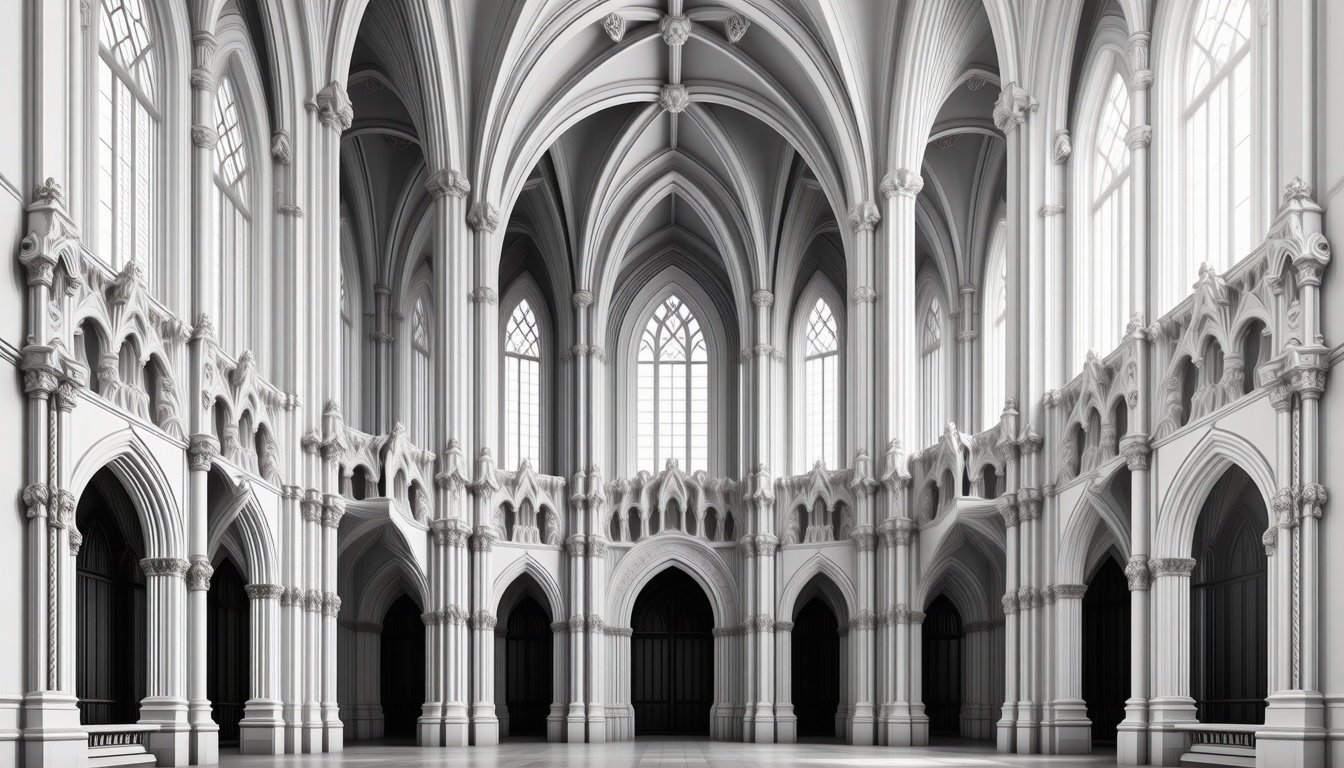
The Allure of Shadows and Stone
Have you ever walked into a place and felt something shift inside your chest? A kind of electricity that is less about what you see and more about what you feel? That is what Gothic art does to me. It is not just about pointed arches or flying buttresses or stained-glass windows glowing with strange colors. It is that haunting hum of mystery and mood wrapped in stone and shadow. And it changed how I see architecture—and myself—forever.
It is funny how an art style can sneak its way into your soul without you even realizing it. I did not set out to fall for Gothic art. It just happened. Like a whispered secret told too close to your ear, it caught me off guard. I found myself drawn to old churches, to castles, to graveyards lined with statues looking over tired, mossy graves. The weird thing is, it wasn’t beauty in the usual sense that hooked me. It was something darker, deeper, more complex.
Why Gothic? Because It Feels Like Life
Some say Gothic art is gloomy or spooky or a little bit scary. I say it feels alive in a way that polished glass towers or cookie-cutter houses never do. Gothic is not about clean lines or bright lights. It is about the tension between light and dark, the clash of the delicate and the monstrous, the sacred and the profane. It is messy and complicated, just like real life.
Have you noticed how Gothic cathedrals shoot their spires upwards, like fingers clawing the sky? They are not just reaching for heaven. They are struggling—struggling with faith, doubt, time, and the weight of human trouble piled high like stone blocks. That struggle feels familiar because we all carry invisible weight. Gothic architecture makes that weight something you can see and touch.
The Mood Machine
Architecture is usually thought of as practical. Walls hold up roofs. Doors keep rain out. But Gothic architecture is a mood machine. That is what hooked me first. Walking through a Gothic cathedral feels like stepping into a story told in stone and glass. It wraps you in atmosphere and emotion.
- Dark corners and sudden light: The way the windows cast colored shadows over cold, heavy statues makes you feel a bit like you stepped inside an old ghost story.
- The high ceilings that never end: They make you feel tiny and big at the same time, swallowed by the space but also lifted toward something bigger than yourself.
- The gargoyles watching silently: Those creatures perched just outside your line of sight seem to guard secrets you will never fully understand.
It is like every stone, every curve, is breathing. And it is impossible not to feel your own heart beat in response.
How Gothic Art Changed My Eye for Architecture
Before I stumbled into the world of Gothic art, I thought architecture was just about looking cool or being useful. I never stopped to think about how a building can make you *feel*. Then I got caught up in that feeling—the awe, the fear, the wonder. Suddenly, architecture was not just walls and roofs. It was a language that spoke straight to my gut.
What I learned from Gothic art was to look deeper. To notice the little things that shift everything:
- The way light does not just illuminate but dances and hides.
- The way shapes can pull your eyes up, down, all around.
- The way rough stone and delicate glass can work together to tell a complicated story.
This changed how I see every building now—even the ordinary ones in my neighborhood. I ask myself: What mood does this place hold? How does it want me to feel? And sometimes, if I am lucky, the building answers back.
From Gothic to Everyday Life
Are you wondering if this is all just about castles and cathedrals far away? Nope. The mood Gothic art carries is everywhere. In modern architecture, you might spot shadows playing tricks on concrete. You might hear echoes in empty hallways that hint at forgotten stories. You might feel the same mix of smallness and wonder when you look up at a tall city skyscraper cutting into a cloudy sky.
Gothic art taught me to be curious about what lurks beneath the surface. Every building has that, even if it does not wear pointed arches or gargoyles. It is the mood—the unspoken vibe—that makes a place stick in your memory.
The Emotional Rollercoaster of Gothic Style
I want to be honest. Loving Gothic art is like loving a moody friend who is not always easy to be around. It can feel intense. Sometimes I get overwhelmed by all the dark, heavy feelings wrapped inside that beauty. It can be a little exhausting, but it also feels real and raw and honest.
Life is complicated. It is not just sunshine and laughter. Gothic art reminds me of the shadows we all carry, the pain and doubt we hide from the world. And it shows me that even those shadows can be turned into something powerful, something that shapes us into who we are.
Why Mood Matters
Have you ever stayed in a room and felt the air get thick with history? Maybe you felt a shiver or a sudden calm. That is what mood does. It shapes how you move and think and breathe.
Before I loved Gothic art, I did not think about mood as a force in architecture. Now I believe it is one of the most powerful tools any designer or artist can use. Mood can lift you up or quiet you down. It can make you face your fears or dream bigger dreams.
Some Lessons Gothic Taught Me
- Embrace complexity: Beauty is not always smooth or simple. Sometimes it is jagged and messy and that makes it more alive.
- Value mystery: Not everything has to be clear or explained. Mystery keeps us curious and connected to something beyond ourselves.
- Feel deeply: Architecture can touch your heart if you let it. Do not be afraid to feel the mood of a place.
- Notice light and shadow: They are not just visual tricks. They are storytellers in stone and glass.
- Remember the past: Old buildings carry old stories. Those stories keep whispering if we listen.
How It Changes My Day-to-Day Life
Since Gothic art creeped into my life, I look at everything around me differently. When I walk city streets, I see the ghosts of buildings gone by layered under glass and steel. When I sit in a café, I notice how light moves across the walls like a slow dance. Even the creak of old wood becomes a note in a larger symphony of mood and memory.
It makes me want to slow down and soak it all in, rather than rush by like a blur of noise and hurry. It reminds me that mood is everywhere if you open your eyes and heart. And that architecture is not just a background to life. It is part of the story we live every day.
Building My Own Mood
And here is a tiny secret: learning about Gothic art made me think about how I build my own space and mood. I do not have a cathedral in my living room (sadly). But I do pay more attention to the light in my space, the textures I put around me, the little shadows that play on the walls. Sometimes I even bring in objects that feel a little mysterious or old, just to remind myself that life is rich with layers.
Creating a mood is like telling a story without words. It is about inviting feelings in and letting them rest. Gothic art taught me that mood is not fluff. It is the heart of a place. And a heart matters.
So What Now?
If you have never let Gothic art inside your world, maybe it is time to take a peek. You do not have to love every dark corner or every weird gargoyle. Just watch how it makes you feel. Notice the moods it stirs up. See if it changes how you look at the buildings around you, the spaces you live in, and even your own story.
Who knows? Maybe a little Gothic will sneak into your heart too. And then, you will never see architecture—and mood—the same way again.
After all, life is not just about bright lights and smooth surfaces. Sometimes it is about the shadows that shape us, the mysteries that hold us, and the stories told in stone.